A podiatrist is trained to treat and provide preventive care for a full spectrum of foot and ankle problems. They are uniquely qualified to understand the complexities of 26 bones, 33 joints and 100 muscles, tendons and ligaments that form your feet.
They have effective communication skills that allow them to communicate their diagnoses, treatment options and preventive measures in a clear and empathetic manner.

Painful Blisters
Blisters are a common problem, especially for runners and hikers who put lots of pressure on their feet. They are usually painful and can take weeks to heal. If you suspect an infection, you should see a healthcare provider immediately.
To prevent blisters, try wearing thicker socks and applying moleskin or other soft bandages to reduce friction and chafing. You can also wear shoes that fit well and add padding inside the shoe to decrease abnormal rubbing. Using hydrocolloid bandages can also help.
Avoid trying to pop the blisters yourself, as it can lead to infections. However, if a large blister is very painful and doesn’t go away with over-the-counter treatments, you can consult with Balwyn north podiatrist about draining it. He or she will sterilize a needle and pierce the blister near the edge, then squeeze it to let out the fluid. Do not remove the “roof” of the blister as it protects the raw skin under it. Keep the area clean and covered. Blisters are often caused by repetitive friction, sudden exertion or exposure to extreme conditions like cold or hot water, frostbite and sunburn.
Ingrown Toenails
Ingrown toenails often begin as a minor nuisance, but they can become painful and infected. Infection can lead to a pus-filled bump or granuloma, and if left untreated, it can cause severe pain when walking or wearing shoes.
In many cases, mild ingrown toenails can be treated at home by soaking the foot in a warm, soapy bath and gently massaging the swollen part of the nail. Antiseptic and anti-inflammatory tinctures, gels or creams may also help.
For more serious ingrown toenails, a podiatrist can trim the ingrown nail to reduce pressure and prevent it from growing back. Local anesthesia is typically used for this procedure. In severe cases, a podiatrist may need to completely remove the entire nail and its underlying tissue, or apply a chemical known as phenol to stop it from growing back.
To prevent ingrown toenails, cut your toenails straight across and avoid rounding or tapering the corners. Soak your feet in warm water 3 to 4 times a day, and make sure to dry them thoroughly. Wear open shoes that give your toes room, and avoid tight or pointed shoes.
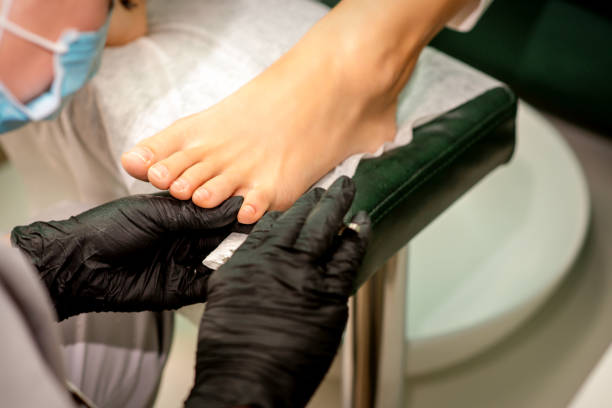
Diabetic Foot Care
For diabetics, podiatric care is extremely important. This is because many diabetes-related foot problems are caused by nerve damage (called neuropathy). When a person has diabetes, they lose the ability to sense pain or temperature in their feet, so any injury can go unnoticed and untreated until it becomes very serious.
A podiatrist will inspect your feet regularly and recommend special shoes if necessary. They can also help you with a daily self-care routine that includes washing your feet in warm water and patting them dry, especially between the toes. They can also advise you on a healthy diet and exercise that helps keep the blood flowing to your feet.
Remember, as the old saying goes, an ounce of prevention is worth a pound of cure! Visiting a podiatrist while your feet and ankles are healthy can prevent you from having to pay a much higher price for treatment later on. It could even save your life! If you’re not sure whether a podiatrist is the right choice for you, contact your local health care provider to find out more.
Neuromas
Your feet are filled with nerves that help you feel, see, touch, smell and taste. However, sometimes those nerves get pinched and begin to grow thicker, resulting in painful swollen masses called neuromas. Neuromas occur most commonly in the balls of your feet, between your third and fourth toes and can cause pain, tingling or numbness. Also known as Morton’s neuroma, it is a benign growth of tissue that develops after an injury causes a nerve to be pinched and irritated.
Often, it is a result of wearing shoes with narrow toe boxes or high heels that push your toes into the toe box. But it may also be a result of having certain foot deformities like bunions, flat feet or hammertoes, and participating in aggravating activities such as running and racquet sports. Left untreated, neuromas can enlarge, leading to permanent nerve damage. Visiting a podiatrist can provide diagnosis and treatment to reduce the pain from these growths. They can recommend modifying footwear, massaging the affected area and icing the foot to help relieve the symptoms.
Sports Injuries
Our feet support us and give us the ability to move, but some activities put a lot of stress on our feet. If you’re an athlete, a podiatrist can recommend proper footwear to avoid injuries to the lower legs and feet. They can also provide recommendations to help prevent recurring sports-related injury.
Podiatrists are trained to recognize the early signs of conditions such as bunions, hammertoes and neuromas, and treat them before they become serious. This can save you the pain, expense and inconvenience of dealing with them later.
Podiatrists have excellent communication skills and can explain complex matters in a clear and understandable way, fostering trust with patients. They also have excellent surgical dexterity, which allows them to perform procedures with precision and minimize complications. They often work closely with orthopedic specialists, physical therapists and sports trainers to ensure holistic support for athletes. They are also skilled in wound care and can diagnose and treat issues affecting patients’ ability to heal, such as malnutrition, vascular problems or poor tissue oxygenation. They can also advise on diabetic foot care.